



















Why Scent Feels So Powerful: The Connection Between Fragrance, Mood and Memory
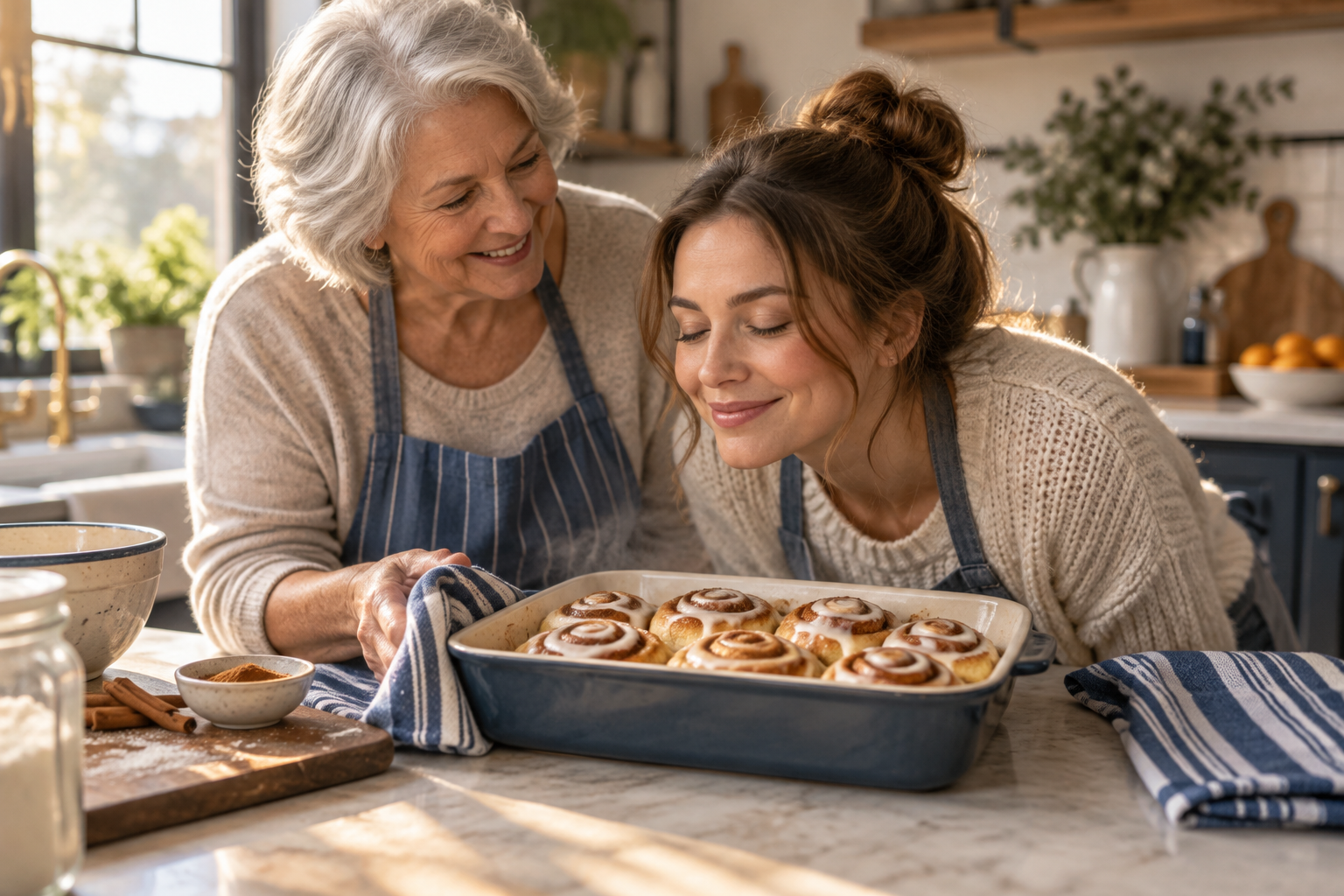
Have you ever caught the aroma of warm cinnamon rolls and suddenly felt cozy, hungry or reminded of someone’s kitchen? Maybe the smell of fresh coffee helps you feel ready to begin the day, while a certain perfume brings back a person or moment you have not thought about in years.
That is part of what makes fragrance so special. Scent can reach us in a deeply personal way, stirring emotions and memories before we have even found the words to explain what we are feeling.
For makers, this is where the real magic begins. You are not simply adding fragrance to a candle, soap or body product. You are helping create an experience—one that may feel cheerful, comforting, energizing, nostalgic or wonderfully familiar to the person enjoying it.
Why Scent and Memory Are So Closely Connected
Our sense of smell has a close relationship with areas of the brain involved in emotion and memory. When we breathe in an aroma, odor molecules are detected by receptors high inside the nose. Those receptors send signals to the brain, where the scent is interpreted and connected with information we have gathered throughout our lives.
Because scent is so closely tied to emotion and memory, our reaction can feel almost immediate. We may sense that an aroma is comforting, unpleasant or familiar before we can identify exactly what it is.
From our earliest days, we begin building a personal library of scent memories. The smells of home, family, favorite foods, holidays, school days, gardens and changing seasons all become part of that library. Years later, just a hint of one familiar aroma can bring an old memory rushing back.
That is why fragrance is never quite the same for everyone. A smoky wood scent may remind one person of peaceful evenings beside a fireplace, while another may associate it with a camping trip or a family cabin. A sweet cherry fragrance might feel playful and nostalgic to one maker but remind someone else of cough syrup. Our experiences help shape how we respond.
Fragrance Can Help Set the Mood
Fragrance does not control our emotions, but it can help influence the atmosphere around us and the way a moment feels. Bright citrus scents may feel lively and refreshing. Lavender and soft herbal blends are often associated with rest and relaxation. Vanilla, amber and bakery notes can create a sense of warmth and comfort, while peppermint and eucalyptus may feel crisp, clean and invigorating.
These responses are influenced by many things, including personal memories, culture, expectations and the setting in which the fragrance is experienced. Even the name, packaging and story surrounding a scent can help guide the experience.
Think about the difference between a candle called Rainy Day Retreat and one called Fresh Morning Air. They might share a few similar notes, but the names invite us into two different moods. One feels quiet and cozy; the other feels bright and energizing.
This is a wonderful reminder that fragrance creation includes more than choosing notes—it also includes the story you tell.
Pleasant Scents Can Shape an Experience
A pleasant fragrance can make a room feel more welcoming, turn an everyday routine into a small ritual or help a handmade product feel extra special.
The scent of a soap may make a morning shower feel more refreshing. A wax melt may help make a home feel cozy for fall. A body butter with a soft, comforting aroma may become part of someone’s favorite evening routine.
The fragrance also becomes connected to everything surrounding it: the room, the people, the occasion and the emotion of the moment. Over time, that aroma may become a reminder of a season, a celebration or simply a peaceful afternoon at home.
That is one reason customers often return to the same fragrances. They may enjoy the aroma itself, but they may also be returning to the feeling or memory they associate with it.
What This Means for Makers
When choosing fragrances for your products or planning a collection, think about the experience you want to create.
- Should the scent feel cheerful and energetic?
- Warm and comforting?
- Fresh and clean?
- Romantic and luxurious?
- Familiar and nostalgic?
- Peaceful and relaxing?
From there, consider which fragrance families support that feeling. Citrus, green and aquatic notes often feel bright or refreshing. Woods, amber and musk can add depth and warmth. Gourmand notes such as vanilla, caramel and baked treats can feel cozy and nostalgic. Florals can be soft, romantic, fresh or elegant depending on how they are blended.
You can also use fragrance to help tell a seasonal story. Apple, spice and woods may evoke autumn. Pine, berries and peppermint may suggest the holidays. Fresh linen, rain and green leaves can feel like spring, while coconut, citrus and tropical fruits can bring summer to mind.
These are helpful starting points, not strict rules. Fragrance is wonderfully personal, and sometimes the most memorable blends come from an unexpected pairing.
Your Fragrance Story Is Part of the Product
As makers, you have the opportunity to create more than something that simply smells good. Through fragrance, you can help someone remember, imagine, celebrate, unwind or feel a little more at home.
That is a beautiful part of handmade creation. Every candle poured, soap cut and body product blended carries the possibility of becoming part of someone’s day—and perhaps, over time, part of a cherished memory.
So the next time you are testing a fragrance, pause for a moment and notice where it takes you.
What mood does it create? What story does it tell? What kind of moment could your customer enjoy with it?
Now we would love to hear from you, makers: Which fragrances have the strongest connection to your favorite memories?